
Nitrocarburizing Of Stainless Steel In Medical Devices
Material optimization
The nitrocarburizing process developed by Expanite enhances both the hardness and corrosion resistance of stainless steel materials – and not just for individual alloys. Therefore, the process is also recommended for medical device applications. It extends the lifespan of the respective application, thereby increasing patient safety and reduces cost.
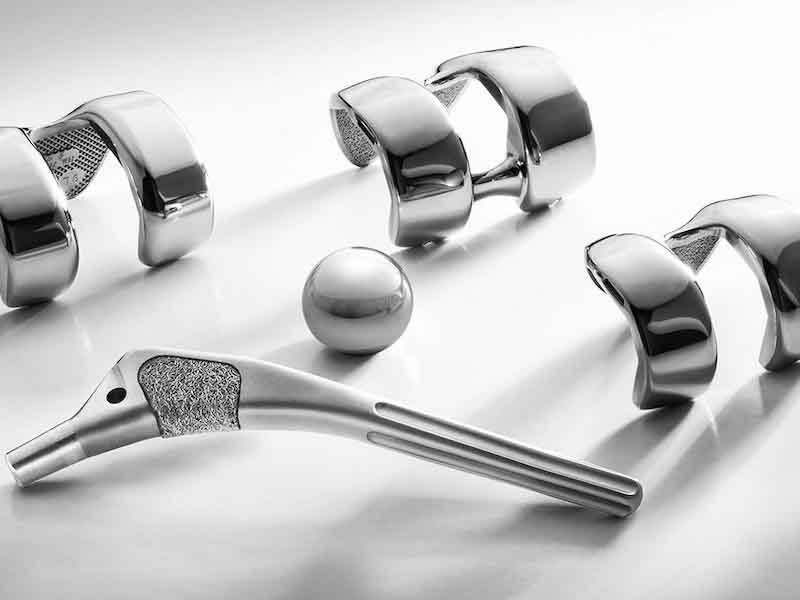
Because of its unique properties and versatility, Stainless steel is an essential material for medical devices and implants that frequently encounter liquids and tissue. The corrosion resistance of stainless steel guarantees an extended lifespan and prevents the development of rust or other forms of damage that could compromise the functionality and safety of medical products.
For decades, corrosion-resistant stainless steel has been extensively used in the field of medical technology and is offered in a diverse array of alloy variations in the market. Numerous companies opt for these materials due to their corrosion resistance, with particular emphasis on the austenitic and duplex variants. Nevertheless, , these options are challenged by their susceptibility to wear attributed to their relative low hardness, often resulting in issues such as galling.