Passa al contenuto principale

Venite a trovarci alla fiera: PackExpo 2026

Data: 18-21 ottobre 2026 - Luogo: Chicago, Illinois, Stati Uniti

Partecipa ai nostri webinar gratuiti sull'indurimento superficiale

Autore: Alexander

Expanite sostiene il RennTeam dell’Università di Stoccarda (articolo in inglese)
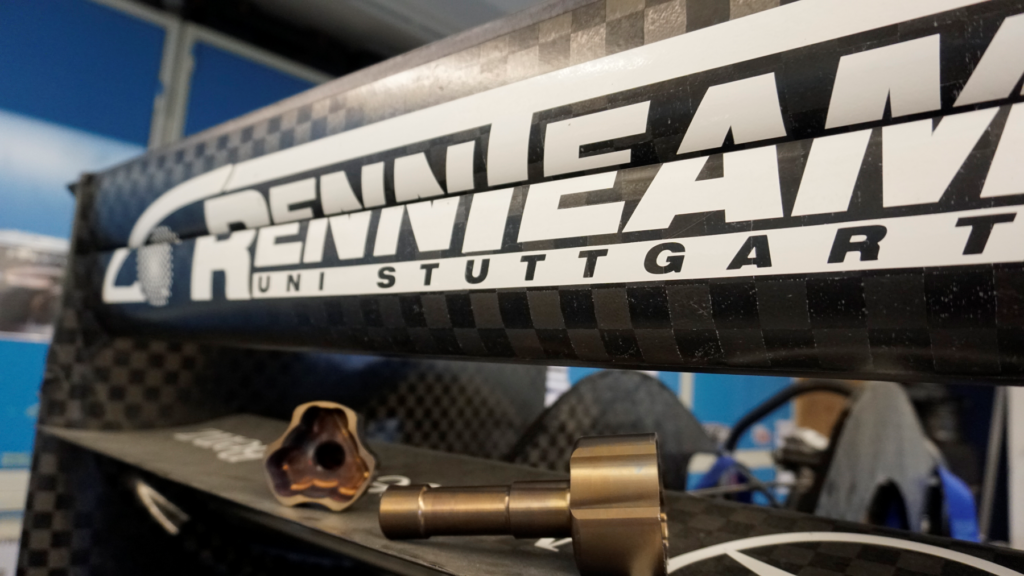
RennTeam Uni Stuttgart utilizing ExpaniteHard-Ti
Expanite, the surface hardening specialist, has consulted and advised the students at the RennTeam Uni Stuttgart in identifying and solving some of their challenges with wear on the titanium parts in their racing car. The Rennteam Uni Stuttgart takes part in the Formula Student racing series, a competition for young engineers across Europe, as well as being involved in other international competitions. The young constructors of the Rennteam Uni Stuttgart are constantly striving to optimize the construction process including the use of materials and spend almost all their time in constructing and testing the cars to prepare for competitions. To increase the performance including lowering the weight of the race car, the students changed some of the parts to titanium but were faced with problems related to wear parts due to low surface hardness and they decided to contact Expanite for possible solutions. The Expanite material experts proposed to surface harden the critical titanium parts including parts of the power train, sitting between the differential and the drive shaft with the ExpaniteHard-Ti process. The Expanite hardening makes the use of light-weight titanium parts possible therefore resulting in increased efficiency and significant weight reduction.  

Expanite Surface Hardening Replaces Hard Chrome Plating

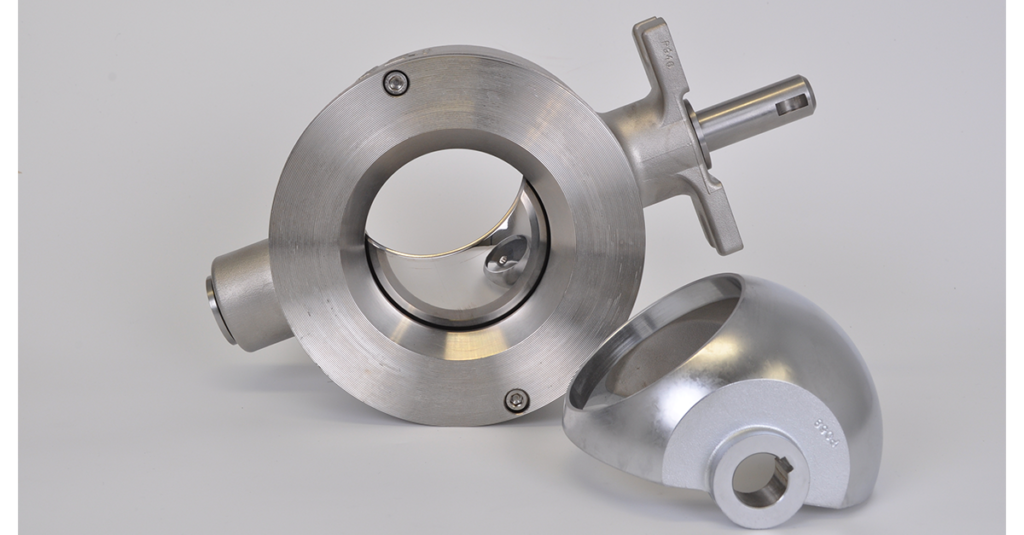
LIAG LÄUFER is a specialist in hygienic shutter valves and pigging systems. The products are designed to meet the highest safety demands in the food industry and must withstand signicant abrasive wear and corrosion aggressive environment.

Their stainless steel cones were originally specied with hard chrome plating. Due to the potential health risks however, hard chrome plating is increasingly prohibited in the food industry. LIAG LÄUFER needed to find an alternative. In their attempt to solve these challenges LIAG LÄUFER tried different surface hardening solutions, which all failed, including a commonly used carburizing process, which caused corrosion after short time in use

Their stainless steel cones were originally specied with hard chrome plating. Due to the potential health risks however, hard chrome plating is increasingly prohibited in the food industry. LIAG LÄUFER needed to find an alternative. In their attempt to solve these challenges LIAG LÄUFER tried different surface hardening solutions, which all failed, including a commonly used carburizing process, which caused corrosion after short time in use

LIAG LÄUFER finally tested Expanite and found a hardening solution that effectively reduces wear and galling, and at the same time improves the corrosion resistance of the parts.

LIAG LÄUFER is determined to offer environmentally sustainable solutions to comply with the industry demand to exclude chrome in the food industry. Expanite hardening solution is a diffusion-based process and therefore significantly more environmentally friendly and sustainable compared to other hardening methods.

The patented Expanite process doesn’t add anything to the material (besides nitrogen and carbon), it just makes the surface harder as much as 10 times harder.

Un futuro più brillante dopo l'abbandono della cromatura dura

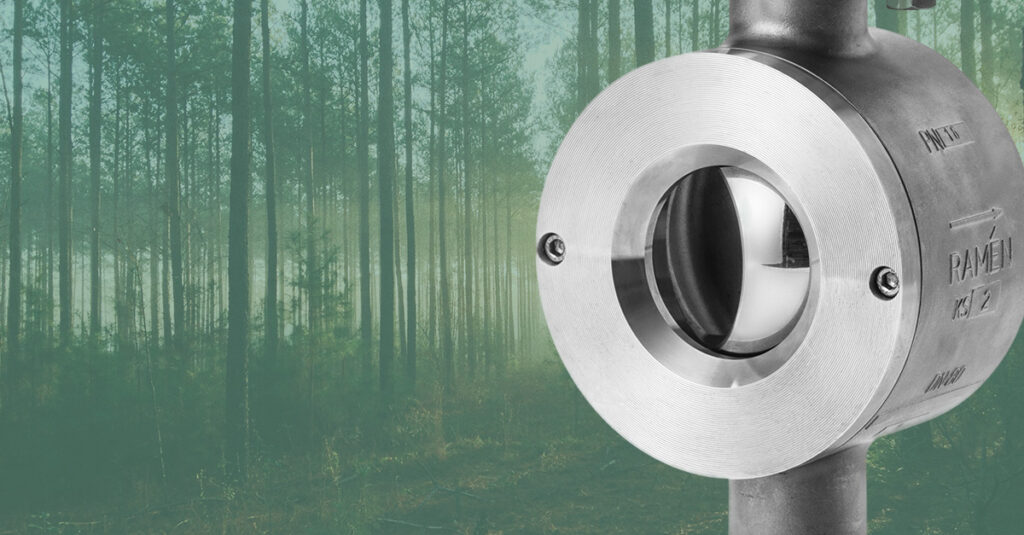
With heightened awareness of the health and environmental dangers of hexavalent chromium and tightening REACH regulations, Ramén Valves knew it would need an alternative to hard chrome plating. But which alternative was best, not only in terms of hardening but also sustainability? Magnus Alfredsson, strategic purchasing manager at Ramén Valves, led the investigation. He lays out the company’s requirements. “Whatever process we selected it would have to harden at least as well as hard chrome plating, protect people and planet from toxic chemicals, and reduce our use of resources.”
“On wear performance, they showed us a decisive test that demonstrated they could deliver around 300 times less wear than standard vacuum hardening, Magnus Alfredsson – Strategic Purchase Manager, Ramen Valves.”
    With these clear objectives, Magnus started to speak with suppliers. “We looked at all the various technologies,” he says. “It wasn’t long before we found a strong candidate.” “Expanite was very good at answering our questions and providing information,” says Magnus. “On wear performance, they showed us a decisive test that demonstrated they could deliver around 300 times less wear than standard vacuum hardening.” The Expanite process offered a further practical benefit that Ramén found valuable: its suitability in situations where hard chrome is unusable. To illustrate the point, Magnus provides an example. “If we choose to make our valves in SST316L to ensure compatibility with the media, then the compatibility is preserved with Expanite. But with hard chrome plating the media interacts not with the base material but with the chrome layer. This can lead to corrosion, making chroming unsuitable.” Having confirmed the performance and suitability of Expanite’s process on paper, Magnus’ attention turned to sustainability.
“Expanite is one of the ways we can show we are reducing our footprint and differentiating ourselves from competitors. In other Nordic countries bigger companies are starting to ask about this too”, Stephane Blanchet – Sales Manager, Ramen Valves     “Of course, reduced wear is a sustainability factor in itself because fewer parts need to be replaced, but we also wanted a safe, low resource process. Hard chrome plating uses harmful chemicals like chromic acid, sulfuric acid, lead, lead chromate and lead oxide. It causes toxic waste. We were happy to discover that Expanite uses no harmful chemicals, only small amounts of nitrogen, ammonia and propene, and produces no toxic waste. It fitted our requirements perfectly.”
A Brighter Future After Exiting Hard Chrome Plating
With Expanite identified as the best potential replacement for hard chrome, it was time to put it to the test. “We started out with smaller internal parts, then larger components and applications in really aggressive environments,” says Magnus. “Everything went smoothly, which gave us the confidence to begin the switch out of hard chrome plating. The whole process took almost a year.” The Expanite process is part of Ramén’s strategy for attracting new customers. “In Sweden customers are asking about our environmental impact,” says Ramén’s sales manager Stephane Blanchet. “Expanite is one of the ways we can show we are reducing our footprint and differentiating ourselves from competitors. In other Nordic countries bigger companies are starting to ask about this too.” “Looking at the future with all the regulations coming we are ahead of our competitors, and it will be expensive for them to catch up. We are already four years into our partnership with Expanite and expanding our cooperation”. Ramén’s CEO Per Wennesten has the final word. Although the switch from hard chrome plating to Expanite has strengthened his company, for him it’s more than business, it’s personal. “Who do you want to be at work?” he asks. “The choices you make at work may have an even bigger impact on the world than the choices you make at home. Both choices are important so be sure to make a choice. We’re proud of our choice and that we’re contributing to a safer, healthier future for everyone.”  

REACH: L’indurimento superficiale ecologico sostituisce la cromatura dura

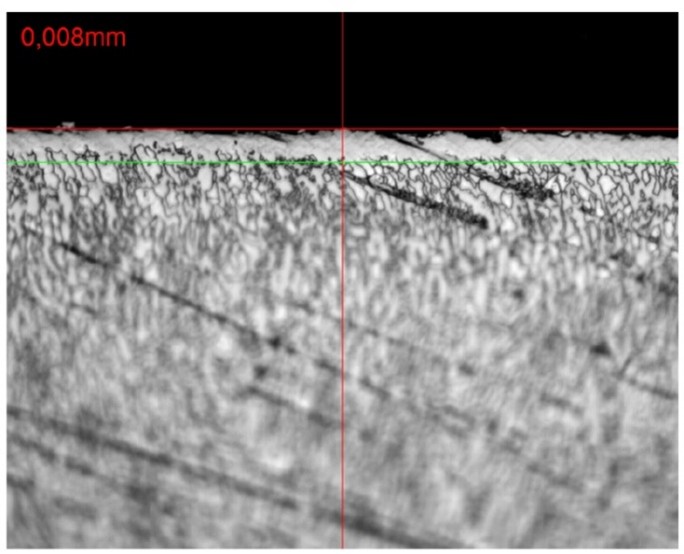
Although this regulation came into effect in 2007, it gained more attention in 2013 when Chromium Trioxide (Chromium(VI) oxide) was added to the list of substances requiring authorization because of its carcinogenic and mutagenic properties. Chromium(VI) oxide stands out from other substances on this list because of its wide range of applications. It is primarily used for surface treatments, whether for enhanced corrosion protection or the production of visually attractive surfaces. As a result, many industries, such as the electroplating industry and mechanical engineering, are feeling the impact of this regulation. In general, coating methods that can prevent corrosion tend to add material and are often inconsistent in terms of the thickness of the applied layer. This can result in material accumulations on flat structures or material thinning at corners and edges where protection is reduced. Additionally, coatings may crack and peel off during significant expansion or contraction of the base material due to differences in the thermal expansion coefficient between the base and the coating. Complex contours with undercuts and small openings pose additional challenges, and certain coating methods are not compatible with these surfaces. Expanite takes a different approach to this process that avoids these issues. A solution to the above-mentioned problems involving stainless steels is surface hardening. This is not a coating process but a diffusion-based surface hardening process. Traditional methods for surface hardening corrosion-resistant stainless steels have been available to the industry for some time. However, they mainly have two disadvantages: they reduce corrosion resistance, and the hardness value of steels hardened with nitrogen or carbon often decreases rapidly at the material core. This means that the hardening depth is only a few microns, and the underlying structure is very soft, which can potentially lead to an “eggshell effect.” Expanite has developed a method that hardens not only the outermost layer, but also hardens the underlying material to a greater depth. In many cases, this also results in improved corrosion resistance. The Expanite treatment for stainless steels involves a two-step process. In the first step (high-temperature process), nitrogen is introduced deep into the surface zone, allowing the material to achieve a hardening up to 1mm in depth ranging from approximately 300 HV (austenitic materials) to 850 HV (martensitic materials). In the second step, the so-called low-temperature process, the workpiece is heated to a maximum of 470°C, and the surface layer is hardened to a depth of 5-30μm, achieving 1100-1300HV (see photo 1), through the embedding of carbon and nitrogen. Combining these two processes prevents the aforementioned “eggshell effect” and offers significant advantages for different kinds of applications.
Photo 1: Expanded Austenite after the Process
Despite its widespread use, hard chrome plating has several disadvantages. Harmful chemicals such as chromic acid, sulfuric acid, lead, lead chromate, and lead oxide are all used in the process. Additionally, it is largely inefficient with at least 70% of the electrical energy being wasted. SuperExpanite®, the trade name for the layer produced in the Expanite’s two-stage process, stands out for its resource-saving approach. It neither consumes natural re-sources nor produces polluted wastewater. With a low energy consumption of only 1.9 kWh/kg of hardened stainless steel and without the use of harmful chemicals, it offers an environmentally friendly and sustainable alternative to hard chrome plating, which also extends the lifespan of fittings.
Environmentally Friendly Surface Hardening Replaces Hard Chrome Coatings
Photo 2: Furnaces for surface hardening stainless steel products
Hard chrome coatings typically have a hardness of HV 300-1,400, whereas SuperExpanite achieves HV* 1,200±100. The increased hardness of materials treated with SuperExpanite therefore provides better wear resistance, making them perfect for applications involving abrasive materials. Both the SuperExpanite treatment and hard chrome plating produce a strong resistance to galling. However, the inherent cracks in hard chrome coatings can cause the tarnishing of the partner surface, which can lead to galling. By contrast, surfaces hardened with SuperExpanite are crack-free and resist galling. The SuperExpanite treatment does not adversely affect the corrosion resistance of the base material; it can even enhance the corrosion resistance of certain materials, such as stainless steel 316L. Conversely, hard chrome plating produces a layer on the base material that may be incompatible with certain substances due to corrosion. For instance, sulfuric acid and phosphoric acid are not compatible with hard chrome coatings. However, stainless steel 316L or 254SMO, which many valve manufacturers supply as the standard, that is treated with SuperExpanite can be used with these substances depending on the concentration and temperature. This means that the SuperExpanite treatment can be utilized in situations where the use of hard chrome is prohibited or technically impracticable. The SuperExpanite treatment can be used on components that are not traditionally hard-chromed, such as valve housings. The increased hardness of the SuperExpanite process results in a longer lifespan when valves are used in highly abrasive applications. With its technology hardened surface layers, Expanite offers a more environmentally friendly alternative to hard chrome that boasts a lower energy consumption, higher hardness, and better resistance. Expanite also provides a longer lifespan in abrasive applications and a more robust surface treatment without the typical risks of hard chrome plating.

Renforcer les applications de dispositifs médicaux avec Expanite®

Because of its unique properties and versatility, Stainless steel is an essential material for medical devices and implants that frequently encounter liquids and tissue. The corrosion resistance of stainless steel guarantees an extended lifespan and prevents the development of rust or other forms of damage that could compromise the functionality and safety of the medical products. For decades, corrosion-resistant stainless steel has been extensively used in the field of medical technology and is offered in a diverse array of alloy variations in the market. Numerous companies opt for these materials due to their corrosion resistance, with particular emphasis on the austenitic and duplex variants. Nevertheless, these options are challenged by their susceptibility to wear attributed to their relative low hardness, often resulting in issues such as galling.
Empowering Medical Device Applications With Expanite® Surface Hardening
Conventional techniques aimed to increase wear or galling resistance on stainless steel components come with a drawback – they often result in non-corroding steels becoming susceptible to corrosion post treatment. Coating methods designed to prevent this issue involve the application of material, but in numerous cases, they exhibit inconsistencies in terms of layer thickness. This inconsistency leads to the accumulation of material on flat surfaces, while corners and edges experience a reduction in the protective layer. Additionally, coatings can develop cracks during significant expansions or contractions of the underlying material due to the different thermal expansion coefficients of the base material and coating. Small openings present further challenges, as the coating process may not be effectively applied depending on the process used. Bypassing these hurdles has become the core objective of Expanite, the Danish provider of surface hardening technologies. Addressing the aforementioned problems with stainless steels involves the application of surface layer hardening, a process distinct from coating that relies on diffusion-based surface hardening. While traditional methods of surface layer hardening for corrosion-resistant stainless steels have been available to the industry for some time, they inherently possess two primary drawbacks. Firstly, all conventional methods result I a reduction in corrosion resistance. Secondly, the hardness values of stainless steels typically treated with nitrogen or carbon experience rapid degradation, resulting in a shallow hardening depth in only a few micrometers. and the underlying structure is very soft, which could potentially lead to an eggshell effect. Consequently, the underlying structure remains quite soft, potentially leading to a fragile shell-like effect. However, Expanite has pioneered its own FDA-compliant process that overcomes these limitations. In this process, not only the surface layer but also the underlying material is profoundly hardened. This specially developed nitrocarburizing method is a thermochemical process for steel, facilitating the diffusion of nitrogen and carbon into the workpiece’s surface. This achieves enhanced surface hardness, improved wear resistance, and heightened corrosion resistance Nitrocarburizing combines the benefits of both nitriding and carburizing with a single process. The Expanite treatment of stainless steels typically involves a two-step process. During the initial phase (high-temperature procedure), nitrogen is introduced deeply into the boundary zone. This results in the material being hardened up to around 1 mm, with hardness levels ranging from approximately 300 HV for austenitic materials to 850 HV for martensitic materials. In the subsequent stage, referred to as the low-temperature procedure, the workpiece is gradually heated to a maximum of 470°C. This controlled heating enables the infusion of both carbon and nitrogen, effectively reinforcing the boundary layer to a depth ranging from 5 to 30 μ achieving hardness levels between 1100 and 1300 HV. Combining both process steps, the fragile eggshell effect is avoided. To test wear resistance, Expanite conducted tests on several 316L samples that had undergone its proprietary hardening process, following the guidelines of ASTM standard G98. In this test, a ceramic test body is moved back and forth on a test specimen under a constant pressing force of 25 N. After a sliding distance of 100 m, the resulting wear volume is qualified. Remarkably, the sample treated with Super-Expanite exhibited wear resistance levels 125 times superior to those of the untreated sample. While conventional surface hardening methods aim to enhance surfaces hardness, they frequently come at the cost of compromising corrosion resistance. This is precisely where our procedure steps in: Extensive testing has demonstrated that samples subjected to Expanite’s hardening process can endure up to 1000 hours in a salt spray fog chamber without exhibiting subsequent corrosion indications. In fact, surface hardening can occasionally elevate corrosion resistance to levels surpassing those of the untreated base material.  

Trattamento superficiale di leghe a base di nichel e austenitiche per i mercati di pompe e valvole (articolo in inglese)

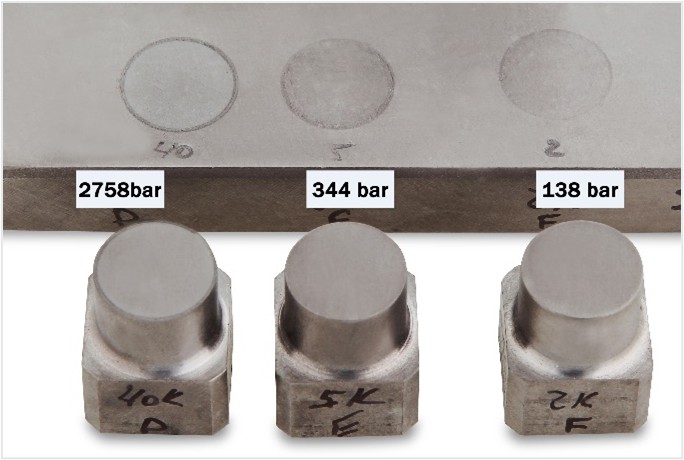
Even where special coatings may be applied in certain environments, heating and cooling cycles normally introduce a high risk of spallation due to different coefficients of thermal expansion. Customers seeking improved performance finally found a more advanced solution – the unique diffusion-based hardening technology of Expanite that is applicable to most commercially available corrosion-resistant alloys. Recently, the Expanite-technology has set a new standard for wear and galling on different materials such as conventional stainless steel (1.4404/AISI 316, Duplex 1.4462, Nitronic, 1.4980/Alloy A-286), Ni-based alloys (e.g. Monel® K500, Inconel® 718 and Hastelloy®) and Co-based alloys such as Stellite®. Stainless steel is, in many cases, used in valves for food and pharma applications, whereas Monel & Inconel are widely applied in chemically aggressive and harsh environments. Expanite’s hardening technology generates surface hardness values in the area of 900 to 1500 HV – on stainless steel, Co-based and many Ni-based alloys, thereby effectively preventing galling. Especially on relatively large valves used in the chemical industry and power plants, galling on shifting shafts (opening and closing the valve) made of Inconel and Monel has previously caused severe problems. Applying the Expanite-technology on these shafts prevents galling and thereby increasing the life-time of the valve components. This has been impressively demonstrated by a test method for galling resistance (according to ASTM G98 test procedure) on an austenitic stainless steel (1.4404/AISI 316L), with and without Expanite surface treatment (cf. Fig. 1 &2).
Fig. 1: galling result on non-treated 316-material showing significant galling at relatively low contact-pressure
Fig. 2: galling result on Expanite-hardened 316-material showing absolutely no galling even at contact pressures well above yield strength
Fig. 3: light optical micrograph of an Expanite-hardened Inconel 718 evidencing a homogenous case-depth in the range of ca. 10µm. Surface hardness measurements reveal ca. 1,000 HV0.025
Fig. 4: light optical micrograph of an Expanite-hardened Stellite 1040 showing a hardened zone of ca. 8µm. Surface hardness measurements resulted in ca. 900HV0.025
Surface Hardening of Nickel-based and Austenitic Alloys
Fig. 5: light optical micrograph of Expanite-hardened A 286 (1.4980) material. The case-depth can be tailored between 10 and 35µm, resulting in surface hardness of 1,200-1,500 HV0.05
 

La tecnologia di indurimento superficiale per l’acciaio inossidabile risolve le sfide di MAN Energy Solutions (articolo in inglese)

MAN Energy Solution’s newest generation of gas driven engines already plays a key role in the sector’s fuel conversion from oil to alternative energy. When developing the engine, Expanite and MAN Energy Solutions collaborated in solving the installation of their gas injection valve in the engine. An important part of the solution came from Expanite – a surface hardening technology that makes stainless steel extremely wear and corrosion resistant. Per Brandt, manager at MAN Energy Solutions, says: “Originally, we had specified a chrome plating in our cylinder cap for mounting our gas injection valve, but it could not always stay tight as there were high requirements for chrome surface quality. We tried unsuccessfully with different solutions. Fortunately, someone had heard about Expanite’s surface hardening, and although stainless steel is usually softer than chrome surface, it turned out to be the solution. A design change coupled with Expanite’s hardening technology solved our challenge. In cooperation with Expanite we relatively quickly found a hardening that made our surface resistant against scratches and corrosion. The solution passed our test in service where the system remained sealed and tight and in addition the solution was also easy and cost efficient to implement.” Expanite is a Danish growth company established in 2010 by three experts in materials and surface hardening from the Technical University of Denmark. In short, the technology is a gas-based treatment of the surface of stainless steel or titanium, so that corrosion resistance is improved, and the hardness is multiplied (eg up to 1200HV 0.05 in stainless steel). This eliminates wear and galling, and the lifespan of the parts is increased by a factor of ten. “Expanite’s processes are significantly more environmentally friendly and sustainable as opposed to chrome baths,” Claus Løndal, European Sales Director in Expanite, emphasizes. “With Expanite, we have the opportunity to change the rules and extend the limits for what qualities you can expect from stainless steel. In addition, our solutions have the advantage that the equipment and processes can be easily implemented directly by our customers.” It is expected to be a huge international market for Expanite, which technology is protected by patents. Expanite has already established service centers in Denmark, Germany, the US and China, and customers are today coming from automotive, medical, food and pumps & valves industry, but the demand for more resistant and durable stainless steel products is wide – also in the marine sector. “We have had a very positive beginning with Expanite, and as the equipment is to deliver more and more and is pushed to the limits, the need for extra hardening of vital components will also increase,” Per Brandt adds
Surface Hardening Technology for Stainless Steel Solves Challenges for Man Energy Solutions
The German MAN Diesel & Turbo has roots dating back to the 18th century and is today the world’s leading supplier of large diesel engines for the marine and stationary plants. The two-stroke engines department is headquartered in Copenhagen, which designs engines and propulsion solutions under the brand MAN B&W. www.mandieselturbo.com

Expanite – Sostituzione del rivestimento in carburo di Expanite – Sostituzione del rivestimento in carburo di tungsteno sull’acciaio inoxinox

For more than 70 years, coatings, in their various forms, have been “the standard” to improve resistance towards wear, impact, and corrosion for stainless steel components in a great variety of industries, including food & beverage processing, oil & gas, aviation, transportation, industrial, and consumer products. However, in recent years several performance limitations associated with coatings have driven the engineering community, to seek better coating materials, as well as more cost-effective methods to apply them. Among the most promising alternatives is the patented Expanite hardening technology. Recently, one of the world’s leading manufacturers of precision nozzles and nozzle systems has converted from tungsten carbide coatings to Expanite surface hardening after experiencing quality issues with the coating cracking off. In cooperation with Expanite, they found a hardening solution that made the surface of the nozzles resistant against chipping, cracking, delamination, etc.
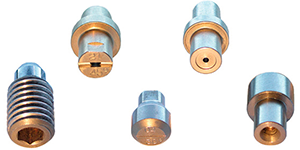
surface hardening replaces tungsten carbide coating on stainless steel
The specific customer performed field tests over a period of several months where the results from Expanite-hardened nozzles showed significant increased lifetime without any premature failure. Based on the test results, the conversion to Expanite hardening was implemented. Expanite’s customer made the following statements:
  • It is far less expensive to apply Expanite hardening compared than many of the exotic coatings – hence the conversion resulted in better performance while reducing cost.
  • By the conversion from a coating to a diffusion hardening process, issues with adhesion where eliminated, again while getting superior wear and corrosion resistance.
  • Expanite hardening includes short and flexible lead-times, and is an environmentally friendly surface hardening solution.
 

Sostituzione o rinforzo dei rivestimenti DLC (articolo in inglese)


Diamond-like carbon or DLC coatings are today used in many areas where excellent friction properties and good wear resistance are required on component surfaces. The DLC layers applied by complex, time-consuming and costly PVD or PACVD processes are usually only a few micrometres thick. If the part also is required to be corrosion-resistant, making the use of stainless steels mandatory, the DLC system has some weak points. The soft stainless steel as the carrier medium and the correspondingly high hardness gradient to the thin DLC layer promote the eggshell effect this might lead to a defect in the coating, and it will easily start peeling off. Surface hardening of Expanite brings the solution using a gas-based diffusion process to store carbon and nitrogen deep in the component surface. This guarantees a better load-bearing capacity and efficiently counteracts the eggshell effect. If defects occur in the hardness layer while the part is in use, this does not lead to further flaking because, in contrast to the applied DLC layer, the Expanite technology is a diffusion hardness layer that is coherent with the base material. The ExpaniteHard-Ti process provides highly effective protection against wear and scratches. The method is not a coating process, hence all the drawbacks of coatings, including the risks of chipping/spalling off and inconsistencies in layers are completely avoided. In fact, it is the surface of the material itself, which is hardened. The ExpaniteHard-Ti process has a significantly greater level of protection against scratches than that afforded by the hardness of the base material and the hardened parts retains the design colour or as Mr. Pataki describe it: “I tried hard to scratch the pen after the process, but it is practically impossible – I made before and after comparison and the results are spectacular; the pen is now virtually unscratchable” A positive side effect: the gas-based diffusion process is significantly more energy-efficient and environmentally friendly than comparable wear protection processes and, thanks to the treatment in vacuum, no time-consuming cleaning of the parts, e.g., with aggressive chemicals, is necessary after hardening with the Expanite process. “We have already replaced the classic DLC coating in various applications, from the typical running and sealing surfaces in bearings, through pump components or knife edges to applications in medical technology,” explains Dr. Holger Selg, application expert and Expanite Sales Director DACH, and continues: “In some cases, the two technologies were also combined and a DLC layer was applied in addition to our Expanite hardness layer in order to obtain a very resilient system. “ The Expanite technology, specially developed for corrosion-resistant materials, offers a solution for austenitic, martensitic, ferritic and duplex stainless steels as well as for expensive nickel -based alloys such as Inconel and Hastelloy. The new special process ExpaniteHard-Ti, which the Expanite team of experts in Denmark has developed to market maturity in recent years, is used for titanium materials.  

Accelera la crescita con un aumento di capitale multimilionario (articolo in inglese)

The technology of the company is based on a series of patented processes for high performance, gas phase based hardening/heat treatment of stainless steel and titanium with a reduced environmental impact. Expanite offers a fully digitalized approach to surface hardening, production management and quality control, with a business model that involves a chain of its own service centers as well as technology licensees. In addition to being able to deliver services that significantly extend the life of components – offering sustainability in its purest form – Expanite’s way to achieve the extended lifetime of materials is the green alternative to environmentally challenged processes such as hard chrome plating and standard stainless steel hardening involving aggressive chemicals and long process times with associated high energy consumption. Expanite’s patented solutions are gas-based, shortening processing time, reducing the overall energy consumption, and eliminating the need for harsh chemical cleaning before/after processing. The capital increase is primarily lead by the Danish foundation Lauritzen Fonden and the Belgian investment company Finindus, which both have been shareholders in Expanite since In connection with the increase, the ownership has been consolidated, so that Expanite today primarily is owned by these two investors. Especially Lauritzen Fonden has significantly increased its ownership of the company. The CEO of the Lauritzen Foundation Tommy Thomsen states: “Over the past few years, as a minority shareholder in Expanite, we have had the opportunity to follow the development of the company and gained good knowledge of the management, market and business model. So, when the management presented a plan with ambitions to accelerate growth, we judged that it was the right time to increase the foundation’s investment and presence in Expanite. The aim of the Lauritzen Fonden’s business activities is to promote Danish entrepreneurship – and that is exactly what Expanite is a good ambassador for.” Hans Maenhout, Finindus’ Investment Director further underlines: “As an investor into Expanite since 2014 we have not only seen this company grow significantly, but we also witnessed its technology to become even more relevant in today’s world: offering the highest performance, guaranteeing maximum life time, at a minimal environmental impact, and all this in a fully digital package. We look forward to being a part of this next episode for Expanite under a renewed and strengthened ownership structure.” Expanite’s CEO Thomas Abel Sandholdt adds: “We are very proud and humble by the sign of confidence that lies behind the biggest strengthening of Expanite’s capital to date. At times when the clouds over the world economy are darker than seen in a long time, Lauritzen Fonden and Finindus have shown that they believe in Expanite’s potential and support an accelerated growth. With this capital increase, we can realize a very ambitious growth plan that involves geographical and product expansions.”
Multi-Million Euro Capital Increase